


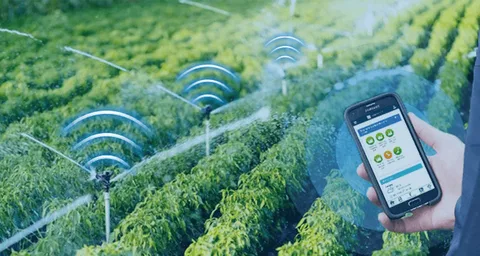
Integrating weather sensors into your watering approach can reduce water usage by up to 50%, preventing over-saturation during rainy periods and conserving moisture during drier times. These sensors monitor real-time environmental conditions, allowing for precise adjustments based on current climatic data.
Opting for soil moisture meters is another effective strategy, offering direct readings of the soil’s hydration levels. By utilizing these devices, property owners can ensure that their greenery receives water only when necessary, thus optimizing the overall health and appearance of the greenery while minimizing waste.
Implementing automated scheduling based on seasonal growth patterns can also enhance efficiency. For example, adjusting watering frequency according to plant requirements throughout the year helps maintain lush greenery without unnecessary water expenditure. Shifting to early morning or late evening watering can further reduce evaporation losses, ensuring more water reaches the roots.
Lastly, consider incorporating rainwater harvesting systems to augment your water supply. Collecting and utilizing rainwater can significantly reduce reliance on municipal water sources, providing a sustainable and cost-effective solution for maintaining healthy turf and pristine putting surfaces.
Choosing the Right Sensors for Optimal Soil Moisture Monitoring
Select reliable capacitive or volumetric water content sensors for precise moisture measurement. Capacitive sensors provide continuous readings without being affected by soil salinity, making them ideal for varied terrains. Volumetric water content sensors can offer accurate data but may require periodic calibration to maintain accuracy.
Consider the following factors when selecting sensors:
- Soil Type: Different sensors perform better in specific soil conditions. Clay soils may retain moisture differently compared to sandy soils, influencing sensor choice.
- Installation Depth: Ensure the sensor can be installed at the correct depth for the root zone of the plants or turf to get relevant data.
- Communication Technology: Choose sensors with robust communication capabilities (e.g., Wi-Fi, LoRa, Zigbee) that suit the layout of the area.
- Battery Life: Long-lasting battery performance is essential for reducing maintenance frequency, especially in remote locations.
- Calibration Needs: Opt for devices that require minimal calibration to ease setup and maintenance.
- Environmental Adaptability: Sensors should withstand various weather conditions, including extreme temperatures and moisture levels.
Cross-reference data from multiple sensors for enhanced accuracy. Integration with data analytics tools enables better water management strategies, ensuring optimal soil hydration while conserving resources.
Integrating Weather Data into Your Irrigation Schedule
Utilizing meteorological information enhances moisture management significantly. Incorporate advanced weather forecasting tools that provide hyper-local predictions. Leverage real-time data for temperature, humidity, and precipitation to adjust water application patterns dynamically.
Key Weather Parameters to Monitor
Focus on the following crucial weather parameters:
| Parameter | Description | Impact on Watering Schedule |
|---|---|---|
| Temperature | Influences evaporation rates. Higher temperatures increase soil moisture loss. | Reduce watering frequency during cooler days. |
| Humidity | High humidity decreases evaporation; low humidity increases it. | Adjust water levels based on humidity fluctuations. |
| Precipitation | Directly affects soil moisture. Rainfall can eliminate the need for additional watering. | Automatically suspend watering after significant rainfall events. |
| Wind Speed | Affects evaporation and can lead to uneven distribution of water. | Delay watering during high wind conditions to prevent wastage. |
Integrating Data into Automation Systems
Automated controllers should receive regular updates from online weather services. Configure your setup to utilize this information, creating rules that dictate water application based on current conditions. Implementing historical weather data can also optimize long-term scheduling.
By systematically analyzing weather forecasts alongside soil moisture levels, achieve precise hydration management that minimizes waste and maximizes plant health.
Understanding Drip vs. Sprinkler Approaches for Turf Maintenance
Choose drip technology for targeted watering directly at the plant roots, minimizing evaporation and runoff. This option is ideal for flower beds and smaller plantings, ensuring deep moisture penetration. Consider using pressure-regulating drippers to maintain consistent water flow, particularly in sloped areas.
Sprinkler setups, however, provide broad coverage over expansive areas. Select rotating nozzles for greater efficiency and reduced water waste, particularly for larger turfs. This setup is highly effective for regular grass maintenance, delivering uniform distribution even under variable wind conditions.
Cost-Effectiveness and Installation
Drip installations can be more affordable in the long term since they reduce water usage and labor costs associated with manual watering. Initial setup requires careful planning and installation of tubing and emitters. Conversely, sprinkler systems often have higher upfront costs due to equipment and installation but can cover larger areas quickly.
Maintenance Considerations
Regular inspections are critical: drip lines can clog, necessitating routine cleaning or replacement of emitters. Sprinkler heads require adjustment and seasonal maintenance checks to ensure optimal performance. Consult resources such as Ultimate Fairway and Garden Machinery Hub for best practices in maintaining your chosen setup.
Cost-Benefit Analysis of Smart Irrigation Technologies
Investing in advanced watering solutions yields significant long-term savings, often exceeding initial expenditures. These technologies can reduce water consumption by up to 50%, translating to lower utility bills.
Financial Benefits
Consider the return on investment (ROI). Though initial costs may reach $1,500 to $3,000 for comprehensive setups, reductions in water usage typically cover these expenses within 2-3 years. For golf courses, the savings can be even more substantial, with an estimated reduction in water costs by $20,000 annually.
Environmental Impact
Water conservation efforts also promote sustainability. Utilizing intelligent management tools decreases runoff and minimizes overwatering, preserving local ecosystems. This protective measure can significantly enhance the aesthetic value of green spaces while ensuring they remain healthy throughout varying climatic conditions.
For those interested in exploring these efficient solutions further, visit Tommy for Wisconsin.
DIY Installation Tips for Smart Irrigation Controllers
Choose a suitable location for your controller, ideally near a power source and within easy reach of your outdoor plumbing. Ensure it’s protected from direct sunlight and extreme weather conditions.
Wiring and Connections
- Use weather-resistant wires to prevent corrosion.
- Label each wire to avoid confusion during setup.
- Ensure connections are tight and secure to minimize signal loss.
Programming the Device
- Familiarize yourself with the user manual for specific setup instructions.
- Set individual zones according to plant requirements to optimize water distribution.
- Incorporate delay settings to minimize operation during rain.
Test each connected zone thoroughly after installation. Adjust settings based on observed performance to achieve optimal results. Keep an eye on the surrounding environment for potential coverage issues.
Common Maintenance Practices for Smart Irrigation Solutions
Regularly check sensors to ensure accurate moisture readings. Clean or replace filters and emitters every season to prevent clogs and maintain optimal performance.
Calibration and Programming Adjustments
Periodically calibrate controllers based on real-time data. Adjust programming for specific plant needs as seasons change. Utilize data analytics to refine schedules accordingly.
System Inspections
Conduct thorough inspections at least biannually. Look for leaks, worn parts, or obstructions. Address any detected issues immediately to avoid water wastage or uneven distribution.
Q&A:
What are smart irrigation systems, and how do they work?
Smart irrigation systems are advanced watering technologies designed to optimize the use of water in gardens, lawns, and golf courses. These systems utilize sensors, weather data, and automated controls to determine when and how much to water. By analyzing soil moisture levels, rainfall, and plant needs, they adjust the irrigation schedule accordingly. This leads to healthier plants while conserving water resources. For instance, if rainfall is detected, the system can delay or cancel irrigation to prevent overwatering.
What are the benefits of using smart irrigation systems for golf courses?
Implementing smart irrigation systems in golf courses offers several advantages. First, these systems enhance water efficiency, ensuring that each area receives the right amount of moisture. This not only promotes optimal turf health but also reduces water waste and costs. Additionally, smart systems can track weather patterns, allowing golf course managers to adjust watering schedules based on current and forecasted conditions. This proactive approach helps maintain course quality while reducing the labor required for manual irrigation management.
How much can a smart irrigation system save on water bills?
The savings on water bills from using a smart irrigation system can vary significantly based on several factors, including the size of the lawn or golf course, local water rates, and the existing irrigation practices. On average, users report a reduction in water usage by 20% to 50% after installing these systems. For instance, if a golf course typically uses 1 million gallons of water annually for irrigation, upgrading to a smart system might reduce that to as little as 500,000 gallons, leading to substantial savings on water expenses over time.
What should I consider when choosing a smart irrigation system?
When selecting a smart irrigation system, consider the following factors: the size of the area to be irrigated, the types of plants involved, compatibility with existing irrigation infrastructure, and the specific features offered by different systems. Additionally, look for systems with weather integration capabilities, soil moisture sensors, and mobile app control options for convenience. It’s also helpful to assess the initial investment versus long-term savings on water bills. Lastly, user reviews and case studies can provide insights into the performance and reliability of various options.
