

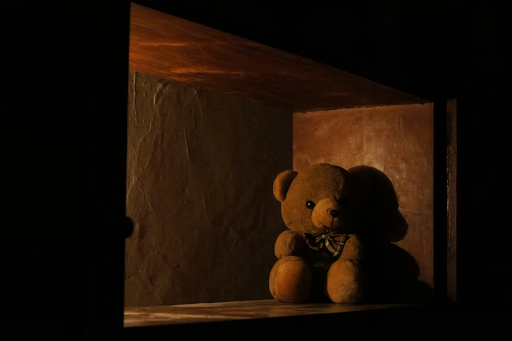
When it comes to nurturing emotional, social, and cognitive growth in children, toys play a more significant role than many parents realize. One innovative tool that has gained popularity in recent years is the talking teddy bear.
These interactive plush toys are designed to engage children with pre-recorded messages, songs, or personalized audio, providing both comfort and developmental support. Understanding the benefits and functions of a talking teddy bear can help parents and educators incorporate them effectively into a child’s learning environment.
Encouraging Emotional Development
A talking teddy bear can serve as a comforting companion for children, helping them express and process their emotions. Many talking teddy bears provide reassuring phrases, positive affirmations, or interactive responses that make children feel heard and supported.
By offering a safe outlet for emotional expression, these toys help children recognize and manage their feelings, contributing to stronger emotional intelligence over time.
Enhancing Language and Communication Skills
One of the primary benefits of a talking teddy bear is its role in language development. Children are naturally drawn to repetition and sound, and interactive phrases encourage them to respond, imitate, and engage in conversation.
This engagement strengthens vocabulary, pronunciation, and sentence formation. Moreover, some talking teddy bears can be programmed with personalized messages, allowing children to hear familiar words and phrases repeatedly, reinforcing learning and comprehension.
Promoting Social Skills and Interaction
Talking teddy bears also help children develop essential social skills. By simulating conversation, these toys teach turn-taking, listening, and respectful communication. Children often engage in imaginative play with their talking teddy bear, which encourages empathy, perspective-taking, and understanding social cues.
This form of interactive play can enhance confidence and prepare children for real-world social interactions with peers and adults.
Supporting Cognitive Growth
Many talking teddy bears are designed with educational features such as counting, spelling, or storytelling. By responding to children’s input, these toys make learning an interactive and enjoyable experience.
A talking teddy bear can stimulate curiosity and problem-solving skills, reinforcing concepts in a playful and memorable way. This cognitive engagement lays the foundation for academic readiness and critical thinking skills.
Providing Comfort and Routine
Beyond learning and development, a talking teddy bear serves as a consistent source of comfort and companionship. Children often form strong attachments to their plush companions, which can ease transitions, reduce anxiety, and support bedtime routines or moments of stress.
The familiarity of a talking teddy bear helps children feel secure, confident, and emotionally stable, which is essential for overall well-being, healthy growth, and the development of positive coping skills.
Final Thoughts
Incorporating a talking teddy bear into a child’s environment is more than just offering a toy; it is providing a tool that fosters emotional, social, and cognitive development. By encouraging emotional expression, enhancing language skills, promoting social interaction, supporting cognitive growth, and providing comfort, a talking teddy bear plays a multifaceted role in child development.
For parents and educators, leveraging this interactive toy can create engaging, supportive, and educational experiences that contribute positively to a child’s growth and confidence.
