


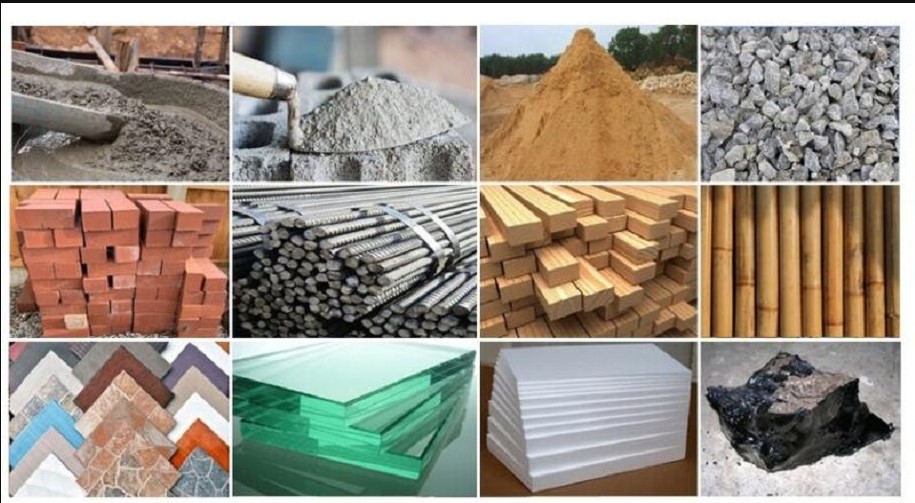
Every building starts with the same question: what materials should we use? From towering skyscrapers to cosy family homes, the answer shapes everything: strength, cost, appearance, and lifespan. Understanding concrete supplies, steel, wood, and other core materials helps you make smarter choices for any project. Some materials excel at bearing heavy loads. Others provide insulation or aesthetic appeal. Most construction projects combine several types to get the best results.
Overview of Common Building Materials
Building materials are the physical substances used to construct structures, from foundations to rooftops. A handful of core materials dominate modern construction because they balance strength, availability, cost, and workability. Concrete, steel, wood, and masonry form the backbone of most projects worldwide. Glass, stone, and composites play important supporting roles for specific applications.
These materials persist because they’ve proven reliable across centuries of use. Modern engineering has only improved its performance and expanded its applications.
Core Structural Materials
Four materials carry most of the weight literally in construction projects around the world.
Concrete
Concrete is the most widely used construction material on Earth. It’s strong, versatile, and relatively affordable.
This mixture of cement, water, and aggregates can be moulded into virtually any shape. Once cured, it handles compression forces exceptionally well. Concrete supplies serve projects ranging from residential driveways to massive infrastructure.
Common applications include:
- Foundations and footings
- Slabs and floors
- Structural frames and columns
- Bridges, dams, and highways
For smaller projects, on site concrete mix offers convenience and flexibility. Larger jobs typically use ready-mix delivery for consistency and volume.
Steel
Steel provides an unmatched strength-to-weight ratio. It spans long distances without intermediate supports and handles both tension and compression forces.
Key properties make it essential for modern construction:
- High tensile and compressive strength
- Ability to span large open spaces
- 100% recyclable without quality loss
- Predictable, consistent performance
Builders use steel for high-rise frames, industrial buildings, bridges, and reinforcement within concrete structures. Its recyclability also makes it increasingly attractive for sustainable construction.
Masonry (Brick and Block)
Masonry includes bricks, concrete blocks, and natural stone units laid with mortar. This ancient technique remains popular for good reasons.
Key benefits include:
- Excellent durability and fire resistance
- Minimal maintenance over generations
- Good thermal mass for natural temperature regulation
Typical uses include load-bearing walls, exterior facades, partition walls, and decorative features. Many builders combine masonry with steel or concrete frames for optimal performance.
Wood
Wood remains the go-to choice for residential construction in many regions. It’s renewable, lightweight, and easy to work with standard tools.
Builders value wood for:
- Framing walls, floors, and roofs
- Interior trim and finishes
- Exterior siding and decking
- Structural beams in timber-frame construction
Properly treated and maintained, wood performs well for decades. Engineered wood products like plywood, OSB, and laminated beams extend their capabilities even further.
Other Widely Used Materials
Beyond the structural core, several materials appear in nearly every building project.
Glass
Glass brings natural light into buildings while providing weather protection. Modern glass technology has dramatically expanded its applications. Architects use glass for windows, curtain walls, skylights, and interior partitions. Specialised varieties include tempered glass for safety, insulated units for energy efficiency, and low-E coatings for solar control.
Large commercial buildings often feature glass facades that create bright, open interiors while maintaining climate control.
Stone and Aggregates
Stone has been used in construction for thousands of years. Today, it appears in both structural and decorative applications.
Natural stone works well for:
- Exterior cladding and facades
- Paving and hardscaping
- Interior countertops and flooring
- Decorative architectural features
Crushed stone and gravel serve as aggregates in concrete supplies and as base materials for roads and foundations. Without quality aggregates, concrete couldn’t achieve its strength and durability.
Gypsum, Plastics, and Composites
These materials handle specialised roles throughout modern buildings.
Gypsum board (drywall) dominates interior wall and ceiling construction. It’s affordable, fire-resistant, and easy to install, making it the standard choice for residential and commercial interiors.
Plastics appear in multiple applications:
- PVC pipes and electrical conduits
- Window frames and door components
- Insulation materials
- Waterproof membranes
Composite materials combine multiple substances for enhanced performance. Fibre-reinforced polymers, for example, offer steel-like strength at a fraction of the weight.
Even on-site concrete mix benefits from modern materials. Polymer additives improve workability and durability, showing how traditional and innovative materials work together in contemporary construction.
Conclusion
The most common building materials, concrete, steel, wood, masonry, glass, and stone, dominate construction because they work. Each brings unique strengths to the table. Smart builders understand these properties and combine materials strategically for optimal results.
Professionals such as Pro-Mix Concrete specialise in premium supplies for projects of every size. If you need ready-mix delivery for a major pour or on-site concrete mix for smaller jobs, they deliver consistent quality and reliable service. The team understands construction timelines and works hard to keep your project moving forward.
When your build demands dependable concrete, Pro-Mix Concrete delivers.
FAQs
- What are the five most common building materials?
Concrete, steel, wood, brick/masonry, and stone are the five most common. Together, they cover most structural and enclosure needs in modern construction projects.
- Why is concrete used so much in construction?
Concrete is versatile, affordable, and strong in compression. It works for foundations, slabs, frames, and infrastructure in virtually every climate and application.
- Is wood still a common building material today?
Yes, wood remains widely used for residential framing, floors, and interiors. It’s renewable, easy to work with, and offers good thermal performance.
- What is the difference between masonry and concrete as building materials?
Masonry uses individual units like bricks or blocks laid with mortar. Concrete is cast-in-place or precast as monolithic elements like slabs and foundations.
- Are glass and metals like aluminium considered common building materials?
Yes, glass and metals are common materials. They’re heavily used for windows, facades, structural frames, and roofing in residential and commercial projects.
