


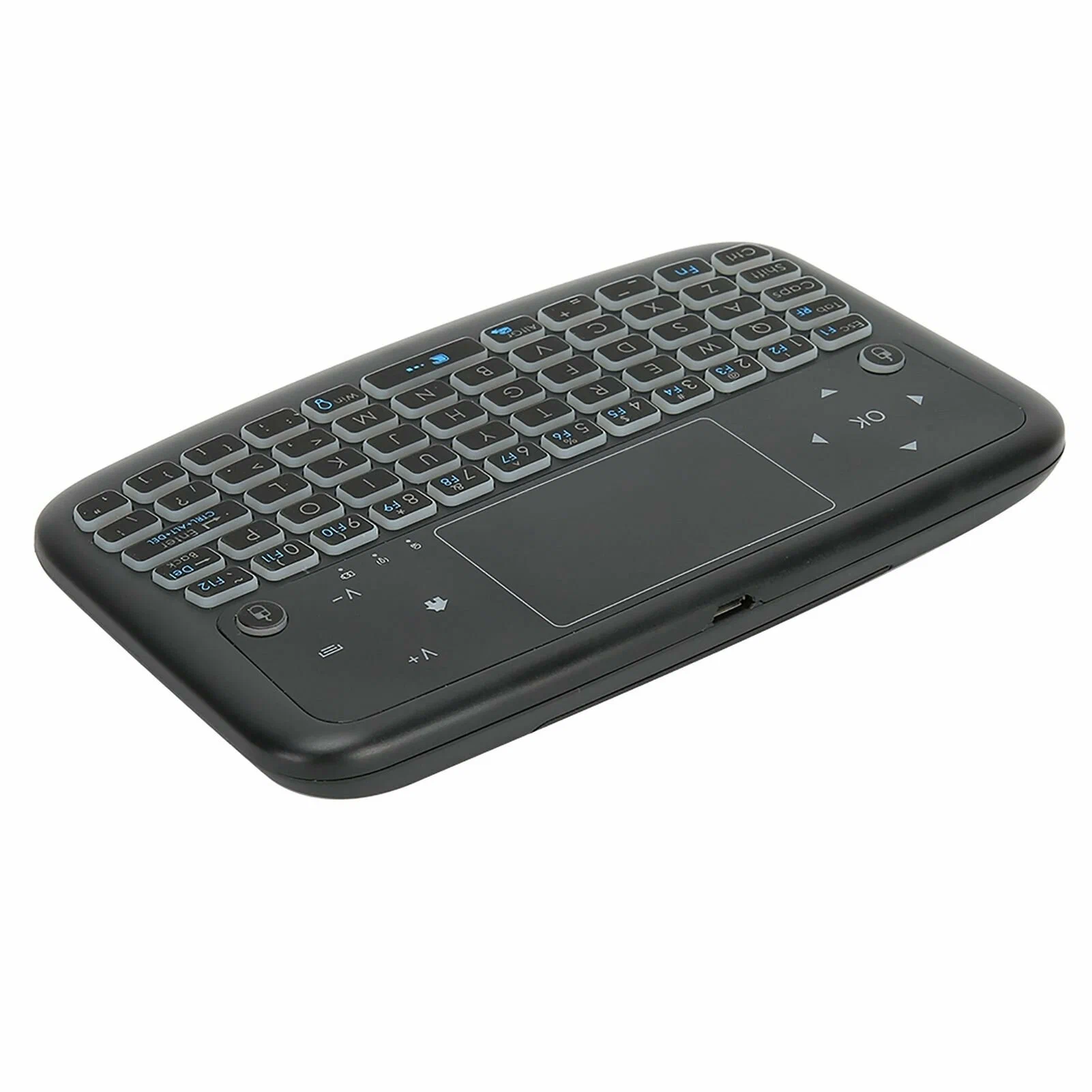
Choosing the right keyboard can significantly affect your productivity, gaming experience, and overall comfort. Among wireless options, two types dominate the market: mechanical and membrane keyboards. But which one should you choose? In this article, we’ll explore the differences, advantages, and disadvantages of each to help you decide: Mechanical vs Membrane wireless keyboard: Which is Better?
Understanding Mechanical Wireless Keyboards
Mechanical keyboards use individual mechanical switches for each key. These switches provide tactile feedback and a distinct audible click, making typing more precise and satisfying.
Advantages of Mechanical Wireless Keyboards:
- Durability: Mechanical switches can last for tens of millions of keystrokes.
- Typing Experience: Offers tactile or clicky feedback, preferred by writers and gamers.
- Customizability: Switches can often be replaced or customized for different feel and sound.
Disadvantages:
- Price: Generally more expensive than membrane keyboards.
- Weight & Size: Often heavier and bulkier, which can reduce portability.
- Noise: Clicky switches can be loud in shared environments.
Understanding Membrane Wireless Keyboards
Membrane keyboards use a flexible membrane layer beneath the keys. Pressing a key pushes down on the membrane, completing the circuit to register the input.
Advantages of Membrane Wireless Keyboards:
- Affordability: Much cheaper than mechanical keyboards.
- Quiet Typing: Soft keystrokes reduce noise, ideal for offices or shared spaces.
- Lightweight & Portable: Easier to carry around due to slim design.
Disadvantages:
- Shorter Lifespan: Membrane layers wear out faster than mechanical switches.
- Typing Experience: Less tactile feedback can feel mushy and imprecise.
- Limited Customization: Generally fixed key feel with no switch replacement options.
Mechanical vs Membrane Wireless Keyboards: Which is Better?
The answer depends on your priorities:
- For Gamers and Heavy Typists: Mechanical keyboards offer faster response times, tactile feedback, and longevity. They are ideal for gaming marathons or intensive typing sessions.
- For Casual Use or Portability: Membrane keyboards are lightweight, quiet, and affordable. They work well for everyday tasks and travel.
Key Takeaway: There is no one-size-fits-all answer to Mechanical vs Membrane Wireless Keyboards: Which is Better? It comes down to your typing preference, budget, and usage environment.
Conclusion
When deciding between mechanical vs membrane wireless keyboards, consider what matters most to you: durability, typing feel, noise level, and portability. Mechanical keyboards excel in performance and longevity, while membrane keyboards are budget-friendly and quiet. By evaluating your needs, you can select the perfect wireless keyboard for work, gaming, or casual use.
